Each year, participants in Coro’s Leaders in Learning (LIL) program embark on a leadership and civic engagement journey, by way of the creation and development of a catalytic project. Our catalytic project began with the ideas of several eager leaders coalescing and emerging into one solid goal: to have a screener (assessment typically aligned with an IQ test which may detect the traits and aptitude of a gifted child) used in the gifted identification process within a local public school district.
The past couple of months have been a lot of work We have spent many hours going through the pros and cons of our project, maintaining and making improvements in what seem to work, and attempting to eliminate the counter-productive components.
Sharing Our Plan
We hosted a Project Pitch Event, an evening when we invited Subject-Matter Exports, parents, students, and community members to learn about our process, goals, and outcomes. We had a great attendance and received positive, constructive feedback about our desire to utilize a screener in the gifted identification process:
- Several of our guests definitely agreed that if there is a screener in place, then more equity will be present in the gifted identification process.
- Some of our guests questioned whether or not the plan to have a gifted screener is even feasible; financing such a program may be an issue.
- Another concern is that some may enjoy being considered a part of the “gifted” sub-population of the public school system, as if it were”elitist” set, and want to maintain the status quo.
- In one of our small group discussion rooms, a local principal vocalized her complete opposition, not only to a screener, but to the gifted education model as a whole. She indicated that all students have strengths, so instead of a gifted education focus which only takes into account the academic assets in a child, why not moved towards a strength-based approach.
In my ideal world, with support from an entire district that is willing to be completely transformed, strengths-based education would be beyond catalytic. In the practical world, we must take small strides to implement big change. Hence, our cohort decided to move forward with the development of our previously conceived idea and goal.
Our Progress
We recently began the longest yet most productive stage of our catalytic project. Currently, our cohort is divided into committees: Outreach, Finance, Communications, Research/Data, and Project Managers. The various committees are working hard to strengthen their systems.
- The Outreach committee is committed to conducting face-to-face meetings with people who can provide feedback to the project and individuals whom may become an ally or partner. The Outreach committee presented at the ECET2 Pittsburgh: Race Matters Teachers Conference on March 7th at the Doubletree Hotel in Downtown, Pittsburgh. Their presentation, Why Not Me: Changing the Face of Gifted, was well received by elementary, middle, and high school teachers in the Pittsburgh Public School District.
- The Finance committee is committed to finding ways to make the cost of the screener feasible to the school district, through grants, funding, and the selection of a cost-effective assessment tool.
- The Communications committee is committed to developing and maintaining effective communication methods with the community.
- The Research/Data committee is committed to conducting research and gathering information/data (qualitative and quantitative) that will help to support the need and necessity for a screener in the gifted identification process.
- The Project Managers are committed to overseeing everything.
Next Steps
Moving forward, we are seeking allies: individuals willing to support us and join in on our project’s development. We are going to continue to gather research, reach out to the Pittsburgh Public School District community, and make this project feasible and sustainable. We are committed to closing the gap that exists in the gifted realm of education.
Would you like to learn more about the Leaders in Learning Catalytic Project, or see how it flourishes?
- Mrs. Charmello-Andrews’s Class-y Updates Blogs
- To voice your feedback, contact [email protected].
- To follow the 2014-2015 CORO LIL Catalytic Project, visit our Facebook page.
- Join our LinkedIn group by searching for CORO LIL 2014-2015
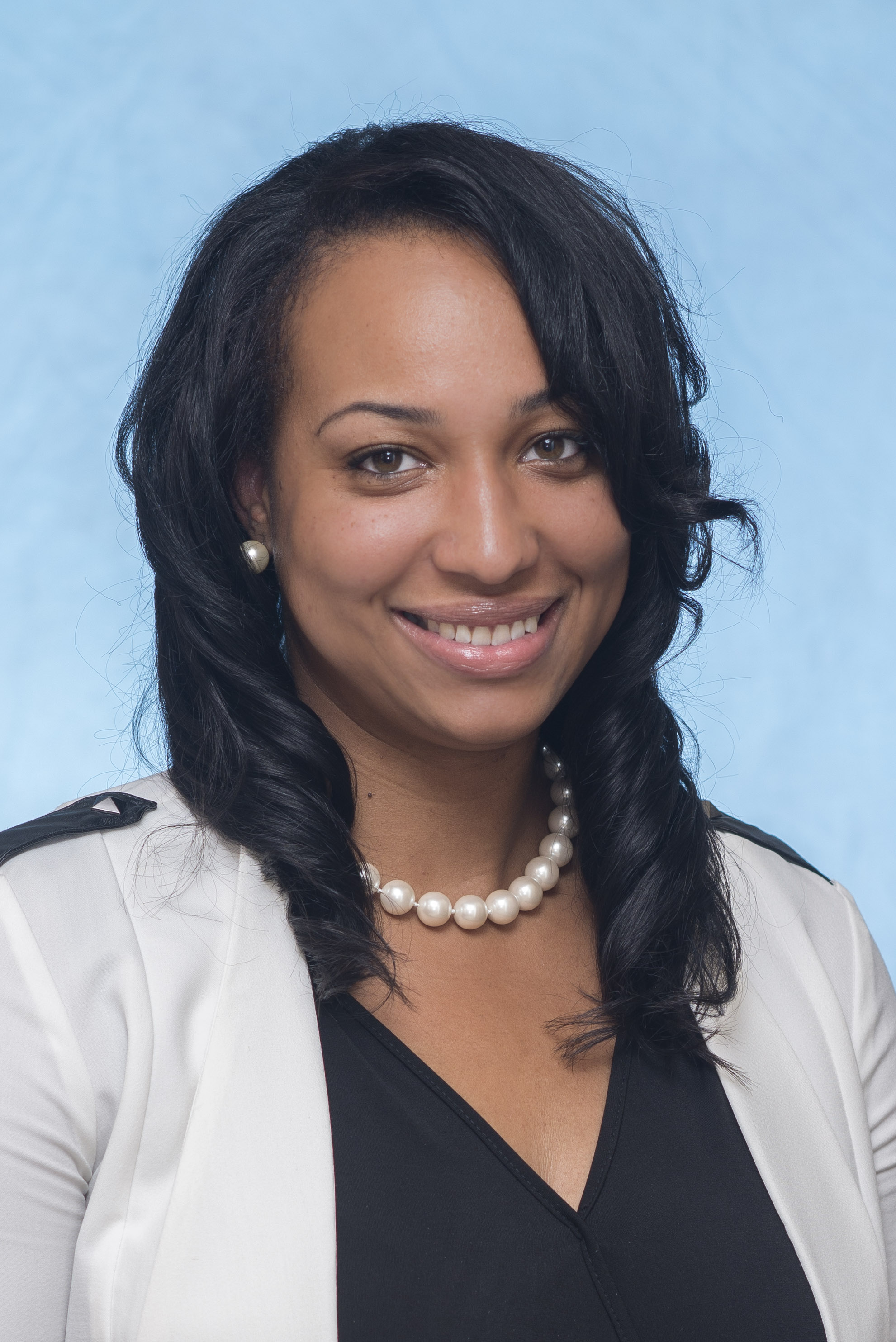
Editor’s Note: This piece was written by one of Coro’s current participants, Merceda Gomez (Leaders in Learning). Any opinions expressed in this post are not necessarily the views held by the Coro Center for Civic Leadership (“Coro Pittsburgh”). However, we welcome our partners to share stories with – and through – us. If you are interested in making a blog post, please contact Outreach Manager Sarah Miller at [email protected].