Much like how the Fellows focused their research on three topic areas for State Affairs Week (namely Shale Gas, Transportation, and Economic and Workforce Development), they have chosen areas of research that they would like to discuss with policy makers, shapers, and implementers at the national level.
Below you will find additional information about who the Fellows will be meeting in Washington, D.C. and what they’ll be asking. We invite feedback on their questions so that the Fellows can get the maximum benefit out of their time during National Affairs Week. Please leave comments at the end of this post and they will be shared with the Fellows.
Full Group Interviews
In the Fellows’ own words, here are some items that attending National Affairs Week in Washington, D.C. will allows them to explore that they cannot elsewhere:
- Gain insights on the system, culture and political dynamics of decision-making at the Nation’s Capitol.
- See how our experiences in Coro and the communities we belong to fit into national discourse, and analyze macro-level factors that affect us all.
- Identify leverage points for improving processes and empowering our communities, via nonprofits, businesses, research, media, local government, etc.
 |
 |
 |
 |
 |
|---|---|---|---|---|
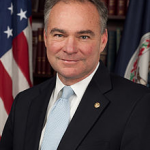
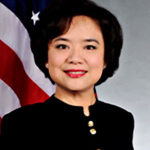
| Senator Tim Kaine (D - VA), Alum (Kansas City ’78) | Chiling Tong, CEO of International Leadership Foundation (ILF), Alum (Los Angeles ’89) | Colin Rogister (pictured), Special Advisor, National Economic Council at The White House, Alum (New York ’09) | Daniel Kramer, Alum (Los Angeles ’05) | Kate Pielemeier, The White House, Alum (Pittsburgh) |
Education
- To understand the relationship between federal and state governance, specifically through through K-12 curriculum decisions: choice of educational materials, their content, and when they are taught; how the country’s global competitiveness affects our approach to education in terms of what subjects are emphasized more than others; and how the current education system handles adopting and rejecting innovative and nontraditional pedagogy.
- To understand the key decision makers and processes that affect funding of education, including the following: federal, state, and local revenue streams; student loan rates and loan forgiveness programs; charter schools and their unique funding opportunities; teacher salary; and overall costs to run a school and patterns of program cuts when funding is reduced.
- To gain a better understanding of policy by analyzing the process by which national education policy is passed and enacted. In particular, who are the key players (i.e., educators, government, media, and other policy issues) in determining education policy? How does the Department of Education ensure educational excellence and equal access for all?
 |
 |
 |
 |
|---|---|---|---|
| Melanie Duppins, Senior Director Policy and Human Capital, DonorsChoose.org | Robert Kim, Deputy Assistant Secretary for Strategic Operations and Outreach in the Office for Civil Rights, Dept. of Education | Spiros Protopsaltis, Deputy Assistant Secretary at ED for Higher Education and Financial Aid, Dept. of Education | Kaitlin Pennington, Educational Policy Analyst, Center for American Progress |
 |
 |
|---|---|
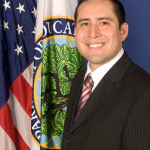
| Emmanuel Caudillo, Special Advisor, The White House Initiative on Educational Excellence for Hispanics | Jaclyn Smith, Director of Alumni in Public Leadership and Community Engagement, Teach for America |
Economic Development
To explore our leverage points as emerging young leaders.
- What role do organizations and agencies play in an economy that is transitioning from manufacturing to innovation?
- What are some barriers that may prevent this transition from occurring? How can we overcome these barriers?
- What can emerging leaders do to influence and support economic growth?
To understand the impact that the federal government has on the United States and its economic health; how impact shifts as it moves through levels of government (regional, state, city, local); how this impact shows up at a local level
- What are catalysts in economic recovery?
- What effects have the government’s actions, political climate and diverse opinions had on economic recovery?
To understand the impact that think tanks, non-profits, research institutions, lobbyists, and other stakeholders have on economic development federal policy makers.
- What environmental considerations are taken into account?
- How do you see developing regions growing their economies?
 |
 |
 |
 |
|---|---|---|---|
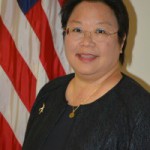
| Lucas Hitt, Chief of Communications at Bureau of Economic Analysis | Ben Miller, Economic Growth Policy Analyst, Information Technology and Innovation Foundation | Sara James, NADO Research Foundation | Daphne Kwok, former chair/current member of WHIAAPI President’s Advisory Commission on AAPIs |
 |
 |
 |
|
|---|---|---|---|
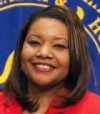
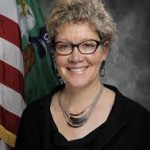
| Dr. Jackie Williams, Director, Office of Rural Housing and Economic Development | Unisa Barrie, HUD Choice Neighborhood Team | Dr. Yolanda Butler, Deputy Director at Office of Community Services | Annie Donovan, Director of CDFI Fund |
 |
 |
 |
|---|---|---|
| Eric Paul Smith, Technical & Policy Advisor at the Office of Innovation and Entrepreneurship, US Economic Development Administration | Holly Richards, Public Affairs Officer, Organisation for Economic Co-operation and Development | Paul Singer, Politics Director, USA Today |
Healthcare
Understand the political dynamics within decision-making on health care policy by exploring the factors that shaped the creation and implementation of the Affordable Care Act.
- How Medicaid, Medicare, and the rising cost of healthcare are involved
- Congressional tactics employed to pass the bill
- Short- and long-term causes and consequences of opposition to the ACA
Analyze how the implementation of healthcare systems on local and state levels are impacted by national policies, and how this forecasts the trajectory of healthcare in America.
- What determines the price, equitability and accessibility of health care?
- How do the big players in industry drive the way healthcare is run in the US?
- Availability of health care options for certain groups, such as veterans
Collect concrete methods for increasing awareness and education about health care options and standards among communities, including strategies and solutions we can take back with us.
 |
 |
 |
 |
|---|---|---|---|
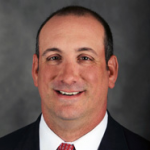
| Michael Strazzella, Practice Group Leader - Federal Government Relations, Buchanan, Ingersoll & Rooney | Jeannine Bender, Director of Government Affairs, Medicaid Health Plans of America (MHPA) | Jonathan Westin, Health & Long-Term Care Government Relations Executive at Jewish Federations of North America (JFNA) | Devorah Goldman, Legislative Correspondent to Sen. Pat Toomey |
 |
 |
 |
 |
 |
|---|---|---|---|---|
| Mark Hendrickson, Associate Director of Government Affairs, GPhA | Shawn Bishop, Principal, SB Health Policy, SNP Alliance | Office of Rep. Dina Titus (pictured), David Rosenbaum | Anne Pfrimmer, Director, Affordable Care Campaign, SEIU Healthcare | Matt Dinkel, Director of Communications, U.S. Representative Mike Doyle (PA-14) |
Special thanks from the Healthcare team go out to Tran Doan, Lisa Frank, Tri Le, and Coro Pittsburgh Board Member Ray Prushnok for being interviewed in advance of National Affairs Week.