Moving to Pittsburgh

If you are interested in, or have been accepted to, the Coro Fellowship in Public Affairs in Pittsburgh, please use the following resources to help you navigate the city.

Renting in Pittsburgh

Cost of Living

The cost of living in Pittsburgh is quite low for a city of its size, with common items priced here. Rental costs are shown in more detail here. Historically, Fellows have been able to live comfortably during their time in the Fellowship.

Your Stipend

Stipends for Fellows are paid the last Monday of each month for the following month (September stipend will be paid August 31). The stipend is not taxed, you will receive a 1099 and will be responsible for filing/paying your taxes. The stipend for the 2015-2016 program year is expected to be $1300 a month. (If you are interested in rooming with another Fellow to reduce cost, be mindful that you will be spending a lot of together both at home and in an intense training environment.)

Resources

The University of Pittsburgh and Carnegie Mellon University, two of Coro’s university partners, have some resources on living in Pittsburgh. We recommend referencing some of the other university housing guides for the area (Chatham University, Duquesne University, etc.). Please consider this renter’s guide in your search. You can review this apartment sublet listing if you would like to stay in the area while looking for something more permanent.

Neighborhoods

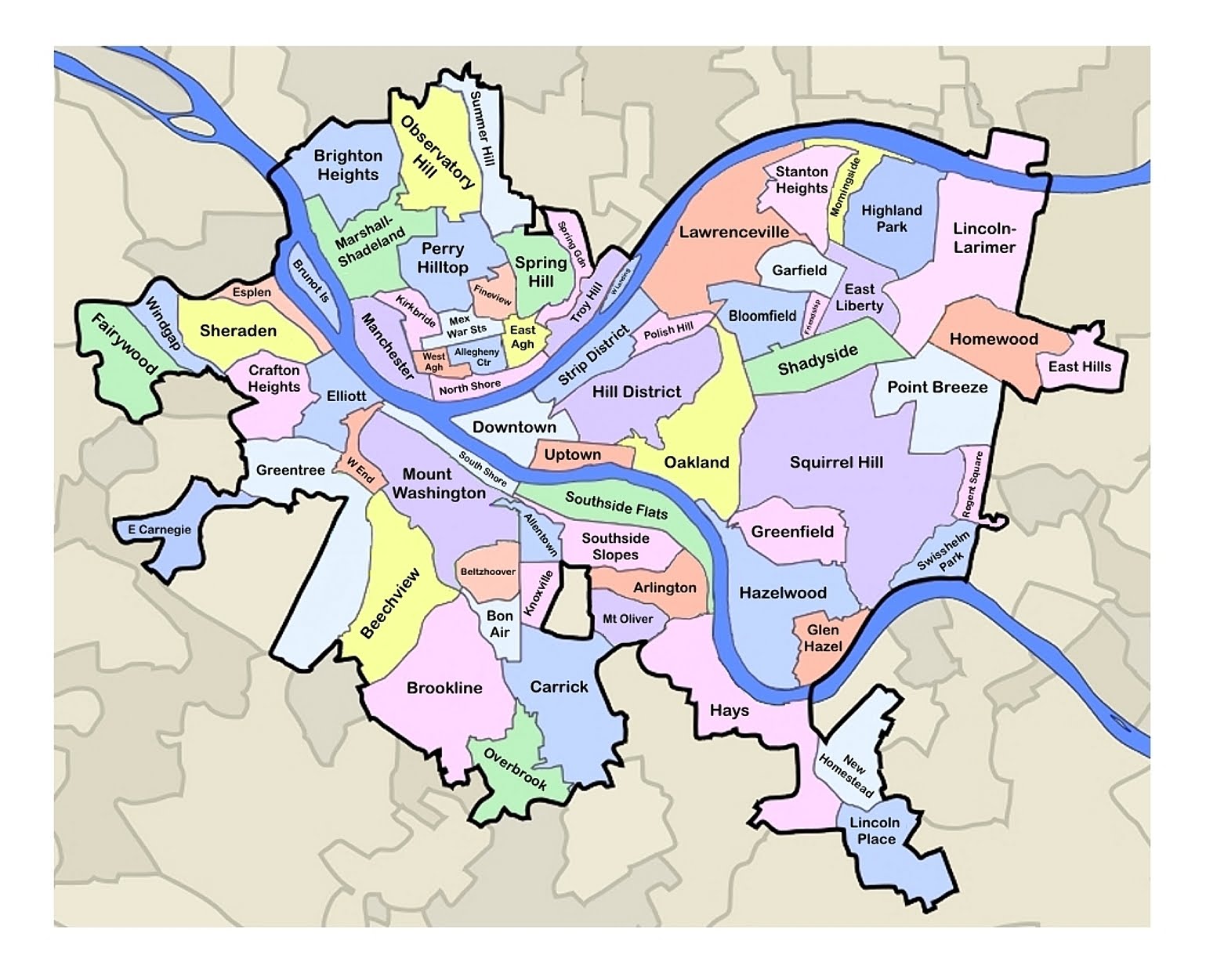
Popular City neighborhoods for Fellows (and university students) include Squirrel Hill, Lawrenceville, Bloomfield, Oakland, Shadyside, Highland Park, and East Liberty (all found in the East End of the City). All of these neighborhoods feature multiple bus lines and relatively easy access to amenities like grocery stores, convenience stores, coffee shops, and doctor’s offices / hospitals. The South Side of the City is where Coro’s office is located (specifically in South Shore) and many rentals exist in Southside Slopes and Southside Flats. Relatively close by to the South Side are the West End (a sometimes overlooked neighborhood) and Mount Washington. In the 2015-2016 program year, placements may occur in some of these neighborhoods, but participants may also expect to travel to Downtown, or outside of the City to the North Hills or McKees Rocks. You can learn more about other neighborhoods here.

Map found on pinsburgh.com

Owning a Vehicle / Transportation

At least two placements in the 2015-2016 cohort will require use of a vehicle, so it’s helpful to have one. Navigating Pittsburgh, with its varied terrain and neighborhoods, is much more convenient with the use of a car. Having a car is a serious investment, particularly with Pittsburgh’s many hills and harsh winters, so consider AAA memberships and regular tire changes in your personal budget.

Vehicle Registration

“New residents are required to apply for a Pennsylvania title and registration for their vehicle(s) within 20 days of establishing residency, and collision insurance is required on all motor vehicles. Visit the Pennsylvania Department of Motor Vehicles for further details and online registration or downloadable forms. Out-of-state driver’s licenses must be converted to a Pennsylvania driver’s license within 60 days of establishing permanent residency in the state. Learner’s permits can be obtained for new drivers ages 16 and older. Vehicle inspections, including emissions, are required on an annual basis.”

from Pittsburgh.about.com

Public Transportation / Bus Passes

If you currently do not have (or plan to have) access to a personal vehicle during your time in Pittsburgh, please review the services offered by the Port Authority of Allegheny County to help you get around the City. You should be able to purchase bus passes at local grocery stores.

Other Considerations

Before moving to the area, consider your personal financial and health needs. In addition to creating a budget, applying for financial assistance like food stamps (potentially through Just Harvest, found in the same business park as Coro) or student loan forbearance / deferment, and / or opening a bank account locally, you should take into account your access to health providers in the region. If needed, access the HealthCare.gov in advance of your move.

Additionally, don’t forget to register to vote and get a library card from the Carnegie Library of Pittsburgh once you have moved.

General Advice

Don’t forget to use your network to help find a place to live and assistance moving. Family, friends from college, or business connections - and other members of your Fellows cohort - may yield surprising results. Be careful to use common sense when looking for roommates or places to live: If something sounds too good to be true, it probably is. Do not give away confidential financial information to anyone you don’t know, especially in electronic formats.

If you have any specific questions or concerns not addressed here, reach out to recruitpgh@coro.org as soon as possible.

Skip to toolbar